

Supply chain tracing often feels impossible. In our AAEI piece we covered how gaps in legacy system design make tracing hard, and that those gaps hurt more than traceability. When tariffs shift, a supplier goes down, or a new risk surfaces, teams work from incomplete pictures. The result: multi-million-dollar production-line disruptions, tariff changes that erase margins, fines, and shipments held at port.
This is why we built an integrated traceability platform at Tradeverifyd. We’ve seen firsthand how hard it is to trace supply chains. We’ve done this tracing and risk analysis by hand. We know how hard it is, so we built a better way.
Where Existing Approaches Fall Short
Many have participated in the wild goose chase for 100% supply chain traceability. The process starts either with manual supplier surveys or with data platforms full of supply chain relationships. Both steps run into immediate challenges. Suppliers don’t answer surveys, or they answer half the questions. Data platforms hand you a spaghetti monster of connections, and most of them have nothing to do with what you’re trying to trace.
Teams are left with too little survey data and too much data from platforms to take action. Ultimately, they revert to emails and spreadsheets for tracing supply chains.
The Problem Goes Beyond Traceability
Email and spreadsheets turn traceability into one-off projects. The suppliers, factory locations, and documents collected along the way never make it into a system.
Then, disruptions hit. Tariff rules change. Country of origin must be proven. El Niño brings storms that shut down factories. New vendors must be screened. Teams again must work in emails and spreadsheets to resolve these problems. The data stays siloed. The loop repeats. The problem persists.
What most teams miss is that all of these problems run on the same data. The records that prove country of origin for tariffs are the same ones that satisfy traceability rules. They can highlight which programs are at risk when a supplier goes down. They can illuminate upstream supply chain concentration. Supply chains need those data silos broken down.
Why This Is Possible Now: An Integrated Solution Only Made Possible by Agentic AI
At first glance, it seems crazy to think that so much critical supply chain information lives in siloed emails and spreadsheets. The truth is, before AI, this was the best way to handle traceability problems. Suppliers are busy and don’t want new platforms and portals to manage. They need a quick solution to respond to their customers’ requests – email has been the answer. Some of those emails contain screenshots, pictures, and PDFs in dozens of languages. Extracting that data automatically and accurately was expensive, so they would do it by hand in Excel instead.
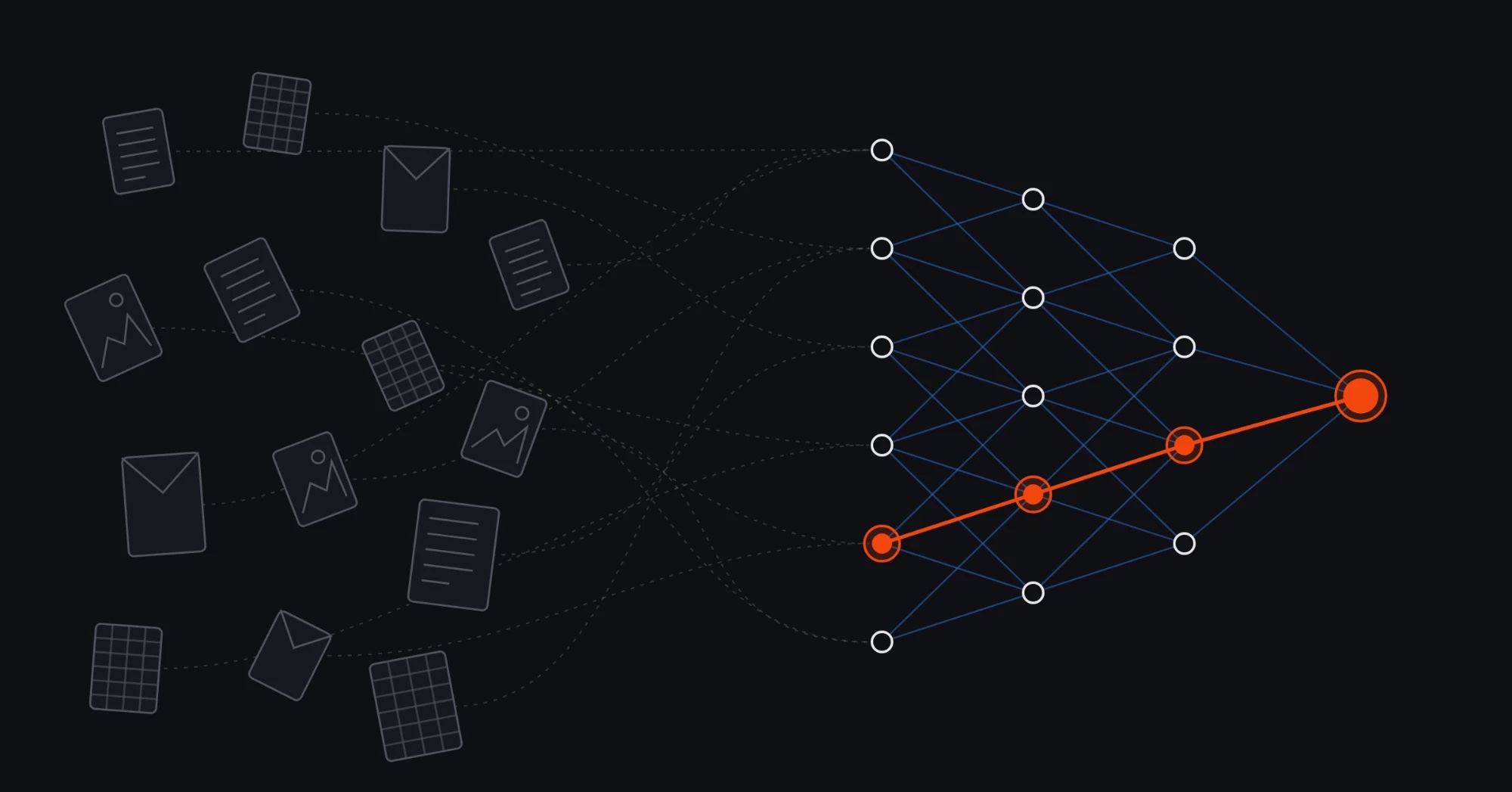
At Tradeverifyd, we see the future has arrived. Our platform meets customers and suppliers where they’re at to minimize the communication burden and portal exhaustion. Agentic workflows process the variety of documents shared by suppliers and take the extracted data through standardization and entity-resolution algorithms. Agentic teams then use the identified locations and companies to investigate risks and continuously monitor for disruptions.
What Your Team Gets
Your team gets one private map of your traced supply chain, built from your data, your suppliers’ data, and Tradeverifyd’s trade data. It closes the traceability gap and answers the questions that come next:
- Which of my suppliers share the same factory?
- Where is my concentration risk on a critical input?
- If this supplier goes down, which products and how much revenue are exposed?
Scenario planning gets specific to the parts, products, and revenue actually at stake. Your team sees further, faster.


