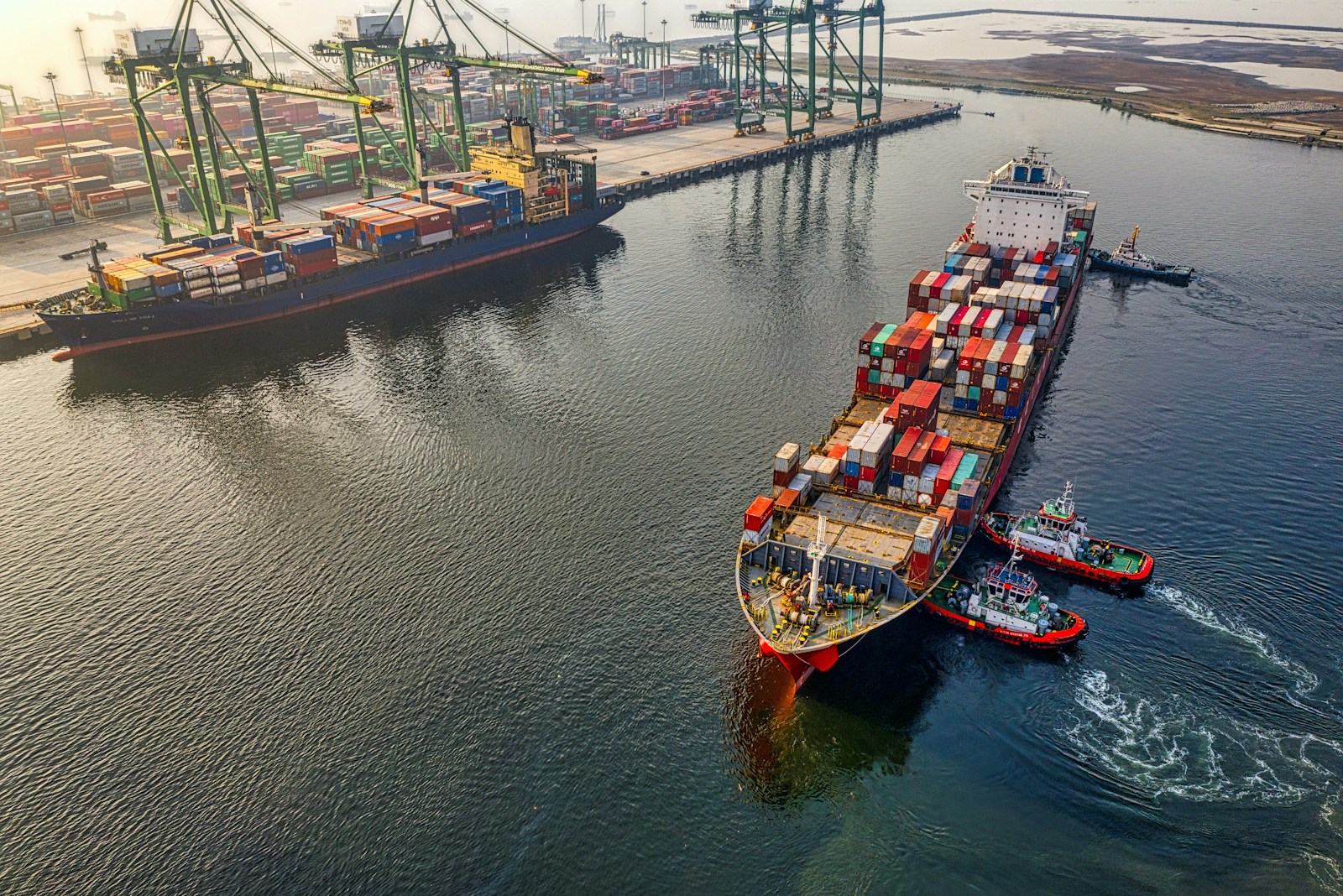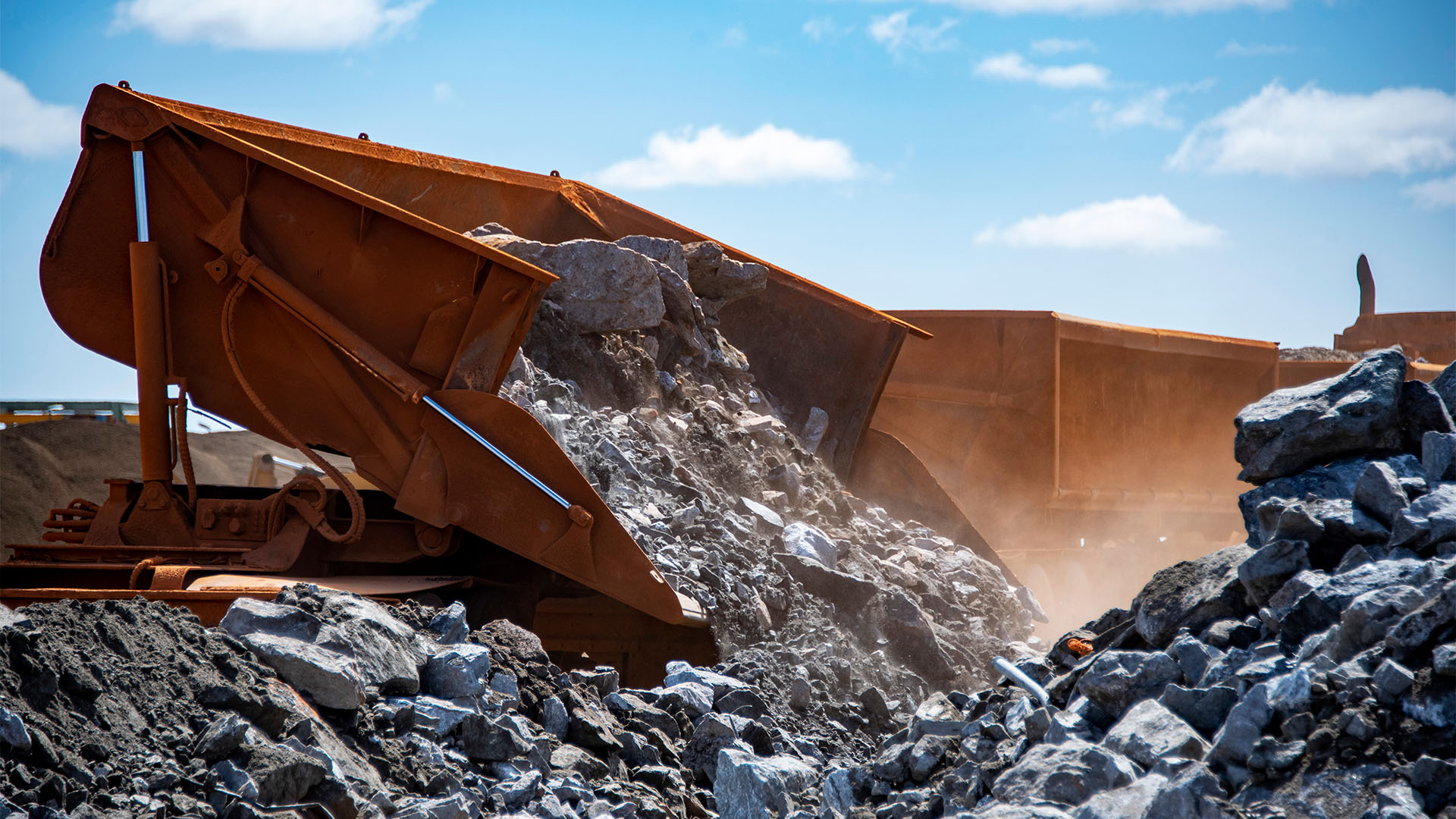

Executive Order 14415, signed on July 20, 2026, brings a new focus to supply chain mapping and illumination in the defense industry. Within 180 days of the order’s signing, the Secretary of War will develop new policy and guidance that will require defense contractors to know every tier of their supply chain, from raw material to finished product. Defense procurement teams need to expand their capabilities to include bill of materials traceability to ensure they are prepared for the new policy and minimize risks.
What is EO 14415?
EO 14415, Securing America’s Defense Supply Chains And Ensuring Domestic Acquisition of Critical Materials, calls for the Secretary of War to take a variety of actions that improve defense supply chain resilience. The order seeks to restrict waivers, qualify domestic sources, and illuminate critical supply chains.
What are the EO requirements for supply chain mapping and illumination?
The order details specific requirements for defense contractors including:
| Requirement | What the order says | What it requires you to have |
|---|---|---|
| Bill of materials traceability | Submit to the Department of War an indentured bill of materials that traces all components, parts, equipment, software, and materials back to the origin of raw materials in your supply chain. | A BoM mapped tier by tier, with supplier information detailed at every node down to raw material origin. |
| Supply chain risk assessments | Vet all suppliers and subcontractors in the critical supply chain across three risk categories: financial, foreign ownership, control, or influence (FOCI), and manufacturing and supply. | Screening applied to all suppliers at every tier, plus the financial, ownership, and manufacturing and supply data to trace each risk. |
| Sourcing restrictions | Prohibit the use of covered materials from unreliable foreign suppliers. | Knowing where covered materials in your supply chain originate. |
| Communications with the DoW | Notify the DoW of any identified supply chain risks and the mitigation actions taken. | An auditable history of your risk identification practices and mitigation actions. |
How EO 14415 compares to EO 14411
Many commercial manufacturers are already working through EO 14411, the customs enforcement order signed in June 2026 (read more about our take on EO 14411). The two orders point in the same direction: origin claims now need evidence behind them, and that evidence has to come from further up the supply chain than most companies currently see.
Where EO 14415 goes further is all about depth and duration. The customs order centers on what you can substantiate about a good as it enters the country. The defense order reaches past the finished goods into the tiers behind it, back to raw material origin, and treats that picture as something you maintain and report on rather than assemble shipment by shipment.
Why it’s important to distinguish: work already underway for EO 14411 is a foundation for EO 14415, not a substitute for it. The traceability, supplier data, and documentation discipline carry over. The depth of mapping and the ongoing reporting relationship with the DoW are where defense contractors will need to extend further.
The impact of the new mapping and illumination requirements
These new requirements cover a gap in supply chain data that we’ve previously discussed at Tradeverifyd. Existing systems and standards don’t account for the data needed to map and illuminate supply chains back to raw materials. ERPs and supply chain control towers lack the BoM-level mapping data the order calls for. The upstream data gaps themselves may include financial, FOCI, and supply risks the DoW expects to be mitigated, which raises the stakes for mapping supply chains as soon as possible.
Your supply chain already contains the answers EO 14415 will ask for. Right now it just can’t tell you what they are. That is what Tradeverifyd changes. TIA, our Trade Intelligence Agent, works from a verified multi-tier map built on first- and third-party data, helping teams meet the order’s new requirements by mapping supply chains, closing information gaps, and mitigating risks. Contact us today to learn more.
The companies that are the fastest to close their data gaps, map supply chains, and illuminate risks will not just benefit from being compliant with the new policy. They stand to improve their standing in winning new contracts, qualify new, competitive domestic sources faster, and contribute to building a more resilient supply chain for the United States.
FAQ
What makes a supply chain critical?
The order states critical supply chains are all tiers of suppliers and subcontractors providing goods, materials, systems, software, or services that are essential to contract deliverables, mission assurance, security, or resilience.
What products or programs are impacted by this executive order?
The order’s definition for critical supply chains suggests that every product, part, input, etc. to a contract deliverable will be impacted by the new requirements.
Does the regulation only apply to defense contractors? Are subcontractors and upstream suppliers impacted?
The order calls for defense contractors and subcontractors, at any tier, to submit supply chain mapping and illumination findings to the DoW. Upstream suppliers, while not stated to provide findings themselves, should be prepared for supply chain mapping requests from their defense customers.
Do companies have to comply with both EO 14411 and EO 14415?
Some will. Any company selling into both commercial and defense channels can fall under both orders at once, with a single supply base underneath and two different evidence standards applied to it. The practical answer is to map once, to the deeper standard, rather than run two compliance efforts against the same suppliers.
Start mapping your supply chain and uncovering risks today
If the Secretary published new supply chain mapping guidelines today, would you have a fully mapped bill of materials to submit? As defense procurement compliance requirements grow under EO 14415, Tradeverifyd is the supply chain mapping and illumination tool that gives supply chain, compliance, and procurement teams a single place to fill data gaps and mitigate risks.